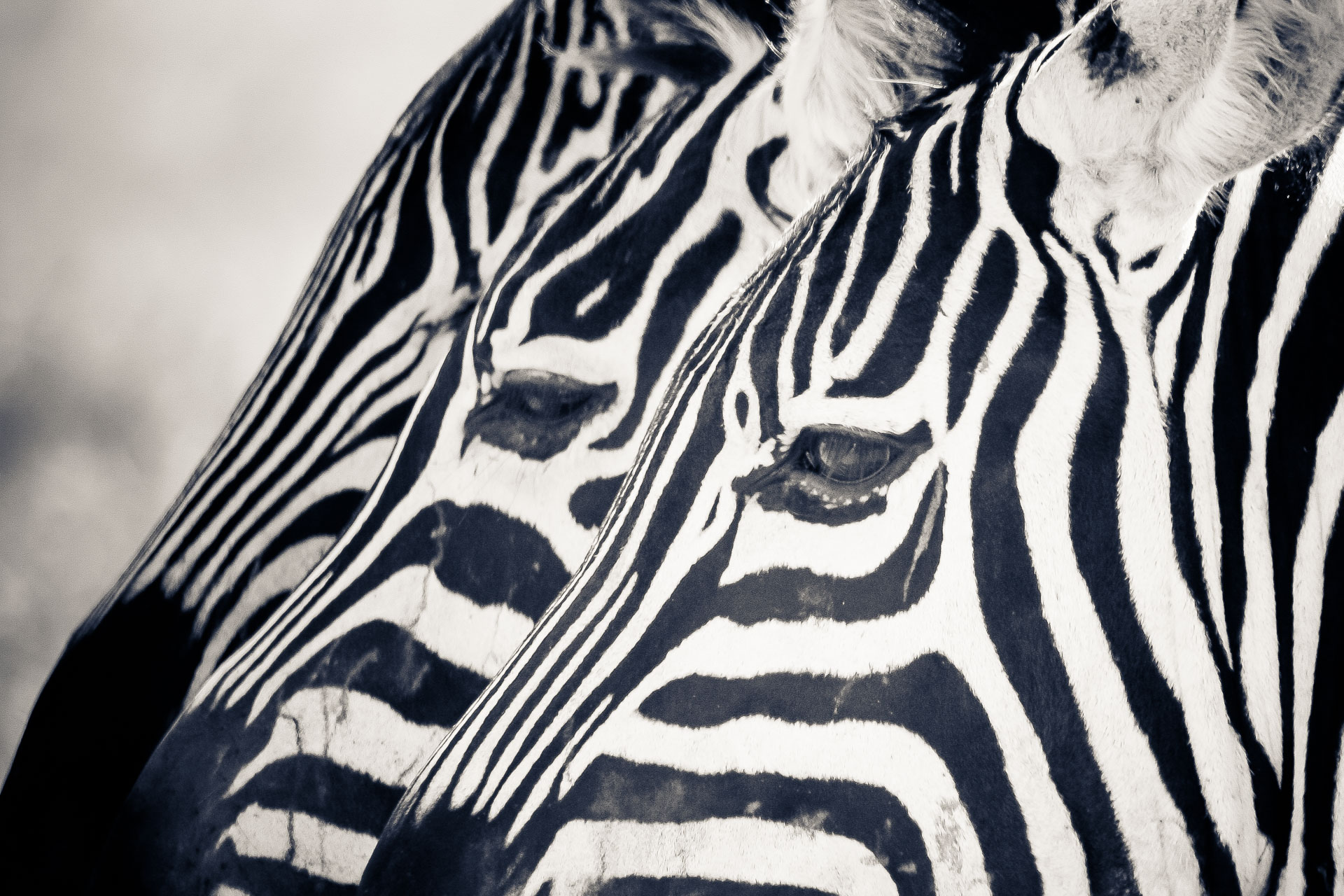
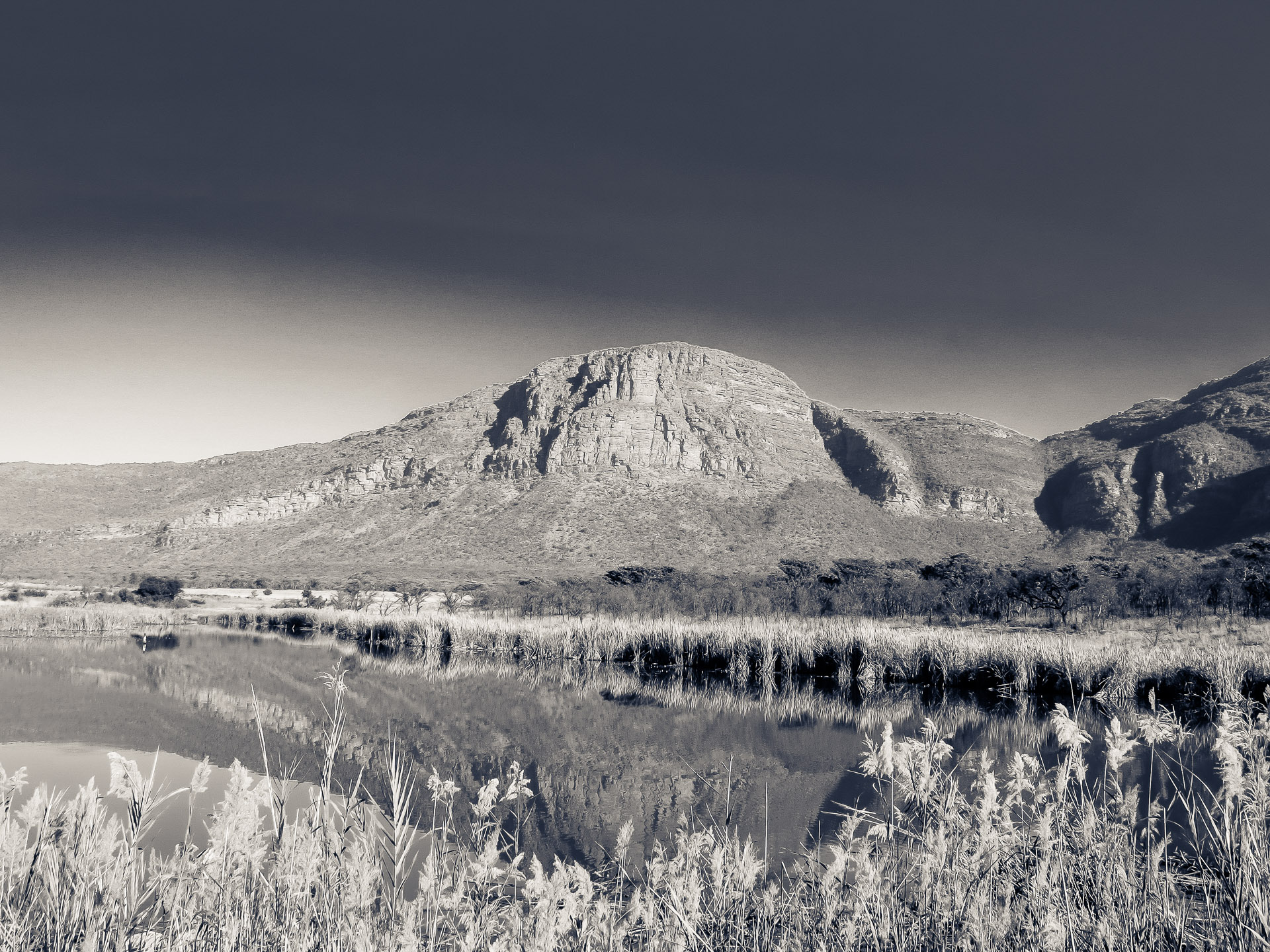
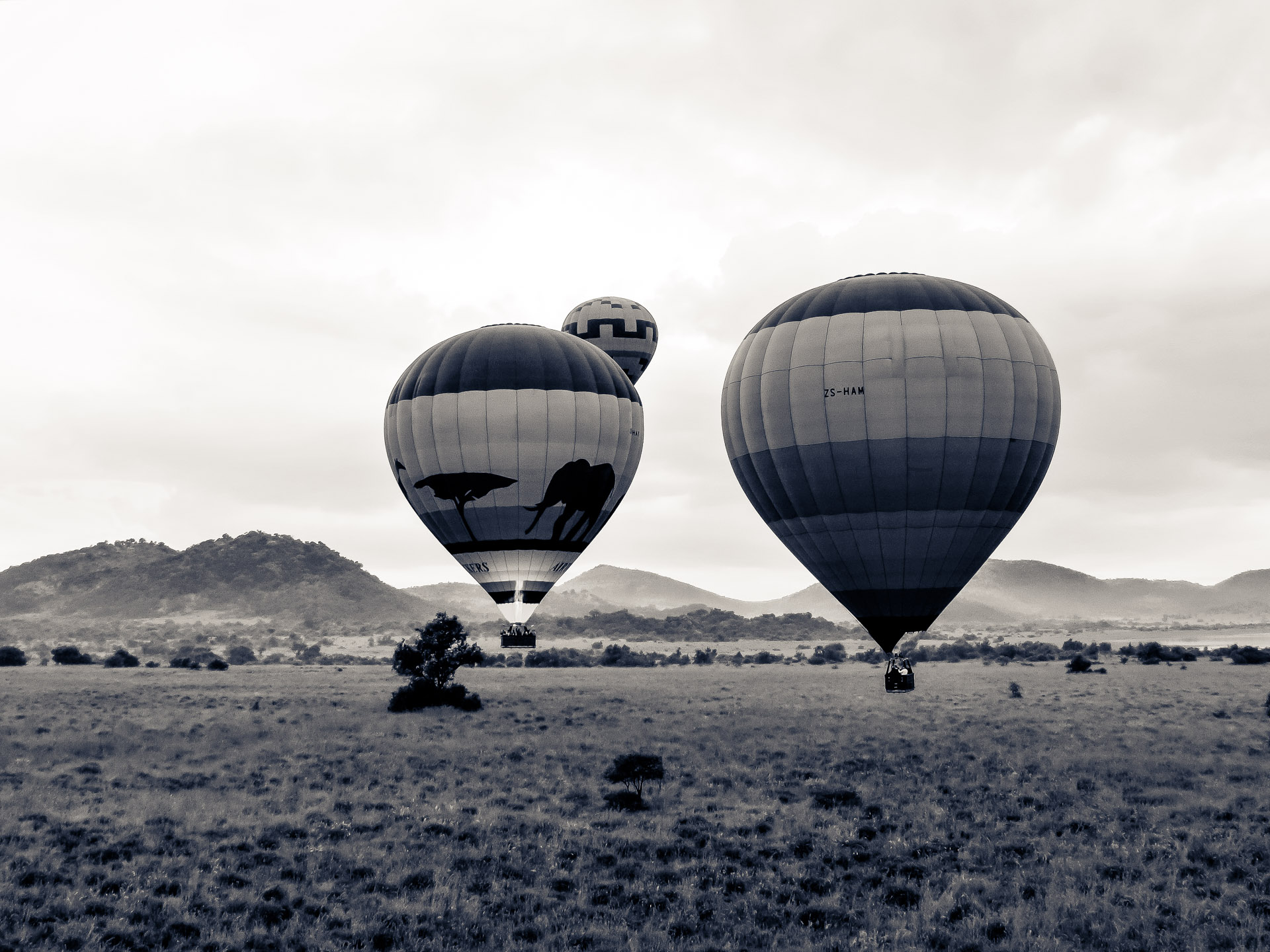
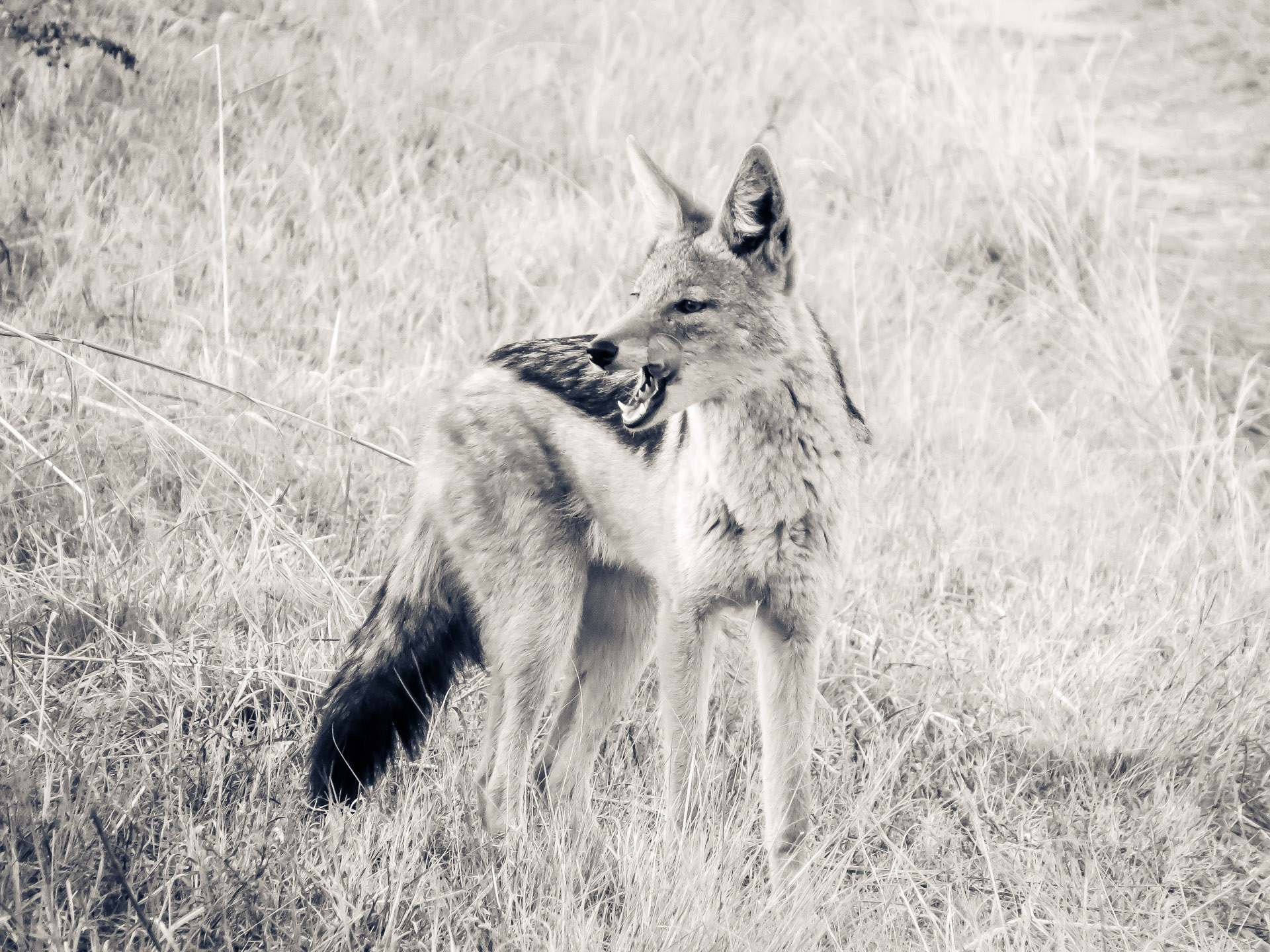
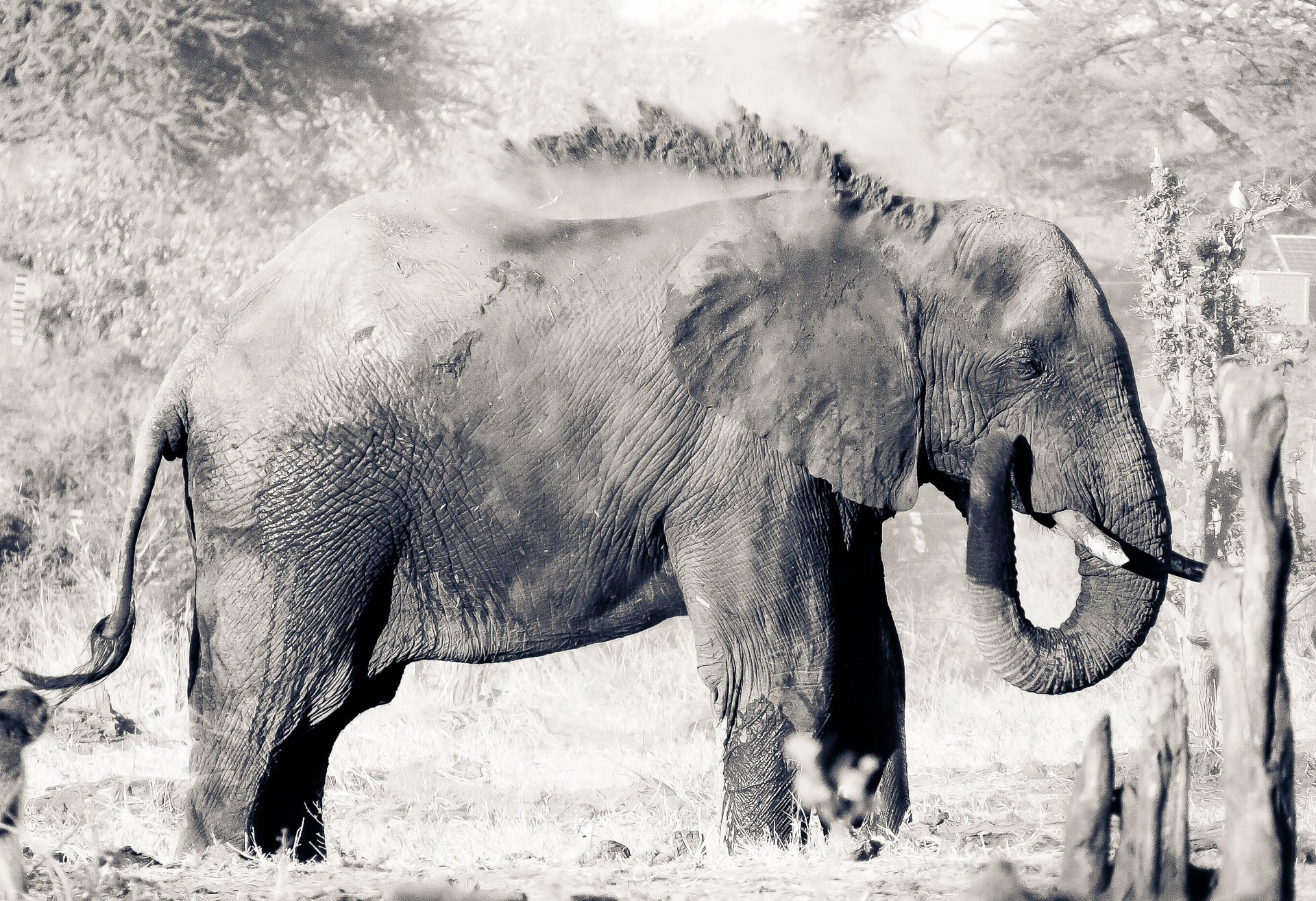
CRAFT YOUR OWN SAFARI. EXPLORE THE WILDEST PARTS OF AFRICA, OR SIMPLY LUXURIATE – CHILLED DRINK IN HAND – WHILE YOU LET YOUR GAZE FALL UPON THE NATURAL SPLENDOUR OF THE LANDSCAPE BEYOND YOUR TOES.
At Golden Moon Adventures we pride ourselves that we can custom-build an itinerary to suit you to a tee.
CLICK HERE
TO TAILOR-MAKE YOUR OWN HOLIDAY
“To feel and experience the spirit of life, you need to go to the wild … nature is neutral and operates in a balanced and wonderful way. There is interaction between everything and everyone.”
We have unbridled passion in our drive to present you with the very best of experiences. Our expertise and unfaltering dedication has earned us an enviable reputation, and we work twice as hard to maintain that! We listen keenly to our clients and always strive to go the extra mile. The Golden Moon team is not only knowledgeable and experienced, but also ready to interact with you directly to arrange your adventure. Contact us and we'll let you know how best we can serve your requirements.
In conjunction with our sister company in the Netherlands, Grandioos Afrika we advise, plan, organise and book specialised tours and safaris with our own network of tourism service providers in South Africa, Botswana, Mozambique, Namibia, Swaziland, Zambia and Zimbabwe.
Safety is of paramount importance to us, and all Golden Moon staff have up-to-date practical knowledge of any region they will guide you in. Golden Moon Adventures is a registered company and comply with all required travel regulations.
We provide special, personalized tailor-made tours and safaris. Together with our clients we plan and organise your complete tour/safari/holiday. Your wishes and expectations stand central to your most memorable visit to Africa.
Golden Moon offers:
• Guided tours and safaris
• Day tours
• Transfers and Shuttles
• Tailor-made tours
• Self-drive tours
• Reservation and booking services
Click here to view our terms and conditions.
Hannes Bezuidenhout
Jacques Lesch
Mobru Lesch
MEET THE TEAM
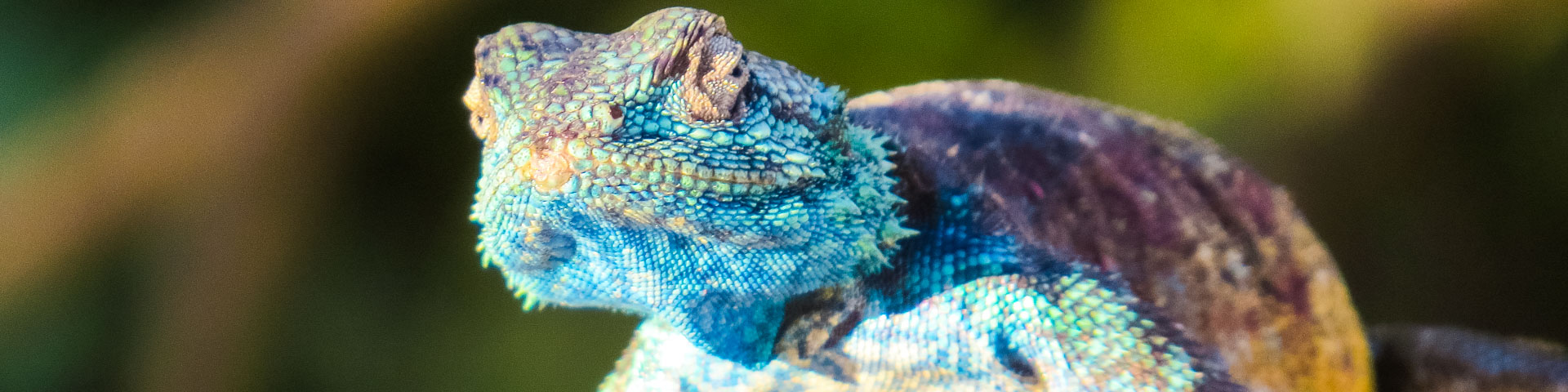
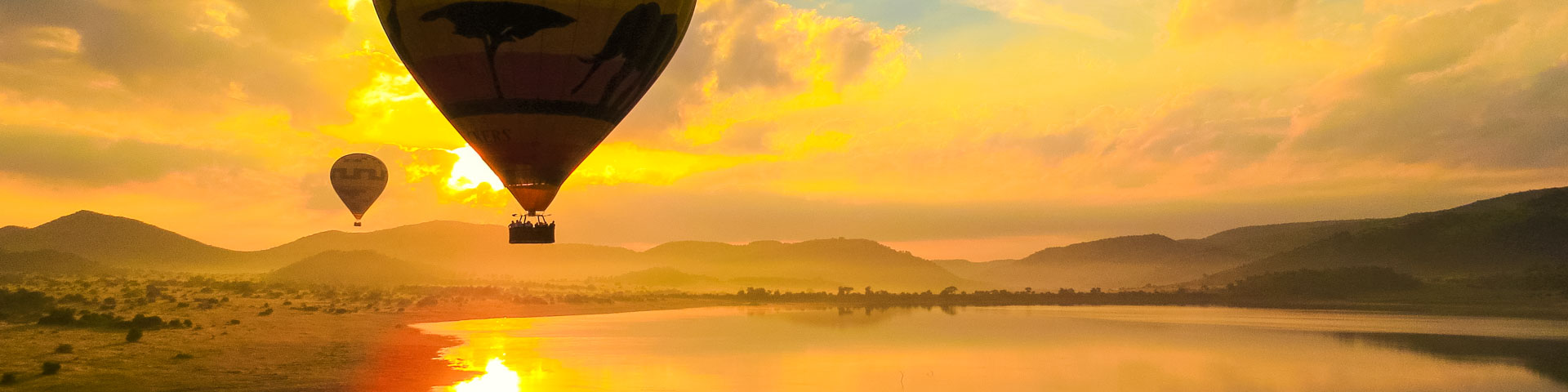
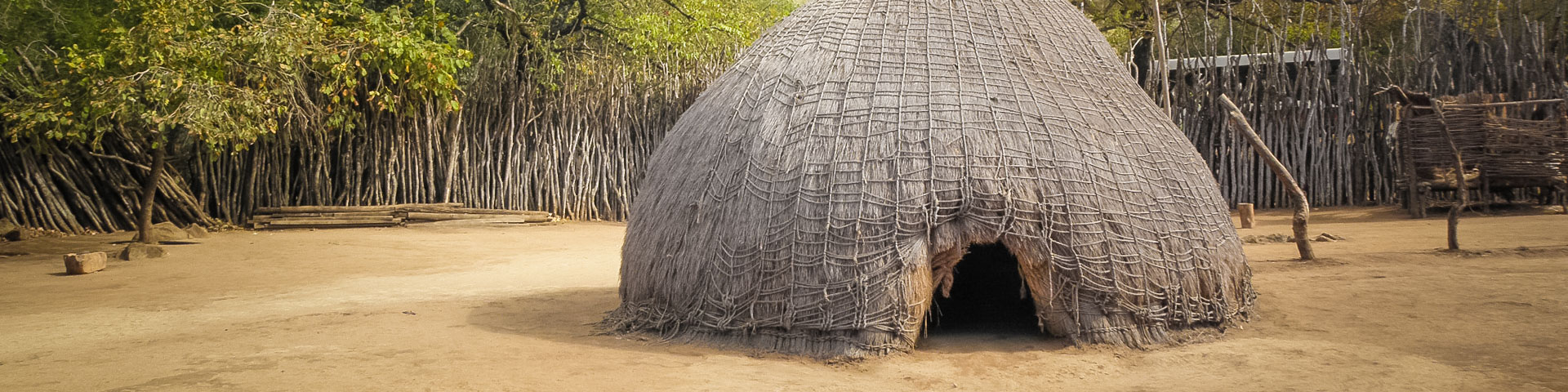
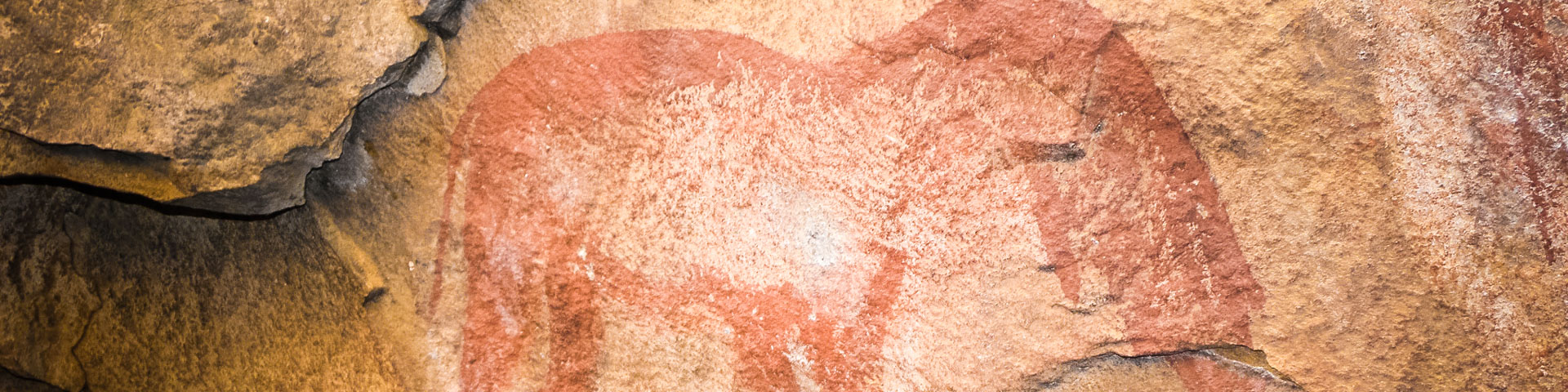
SAMPLE TOURS
PRACTICAL INFORMATION
ABOUT SOUTH AFRICA
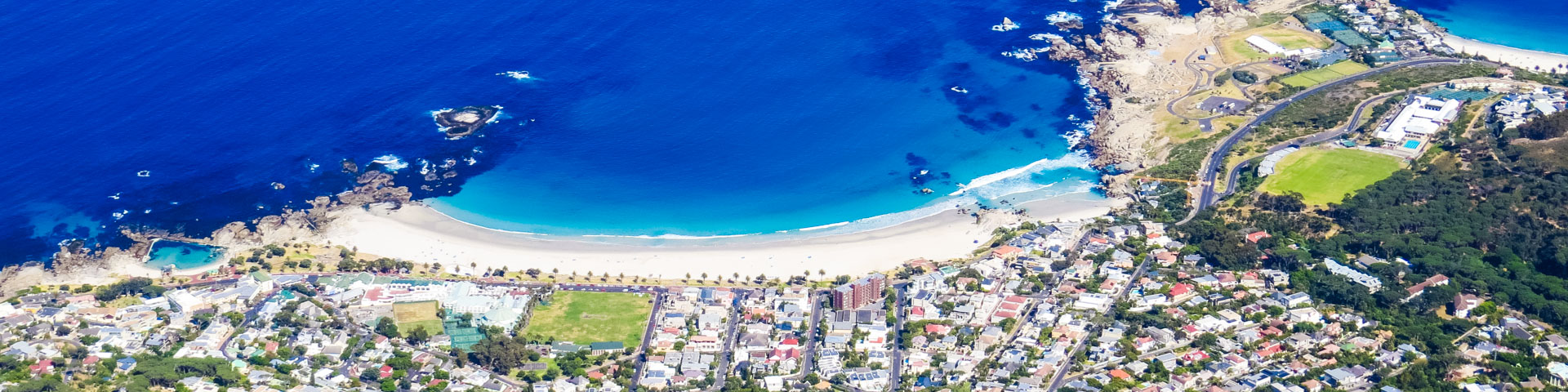
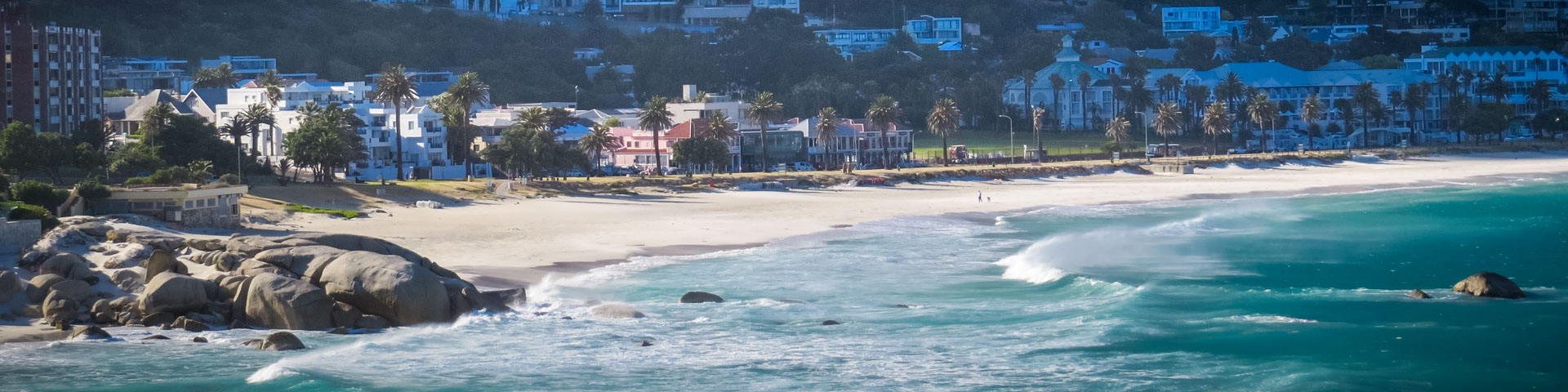
South Africa, located at the very south of the African continent, is 1 233 404km² in size and stretches into the Atlantic- and Indian Oceans. South Africa shares borders with Namibia, Botswana, Zimbabwe, Mozambique, Lesotho and Swaziland. The South African tourism industry is well established and features a thriving platform for adventure, sport, wildlife and nature holidays. South Africa is home to 52-million people (2011 census) of a wide variety of cultures, languages and religions. South Africa boasts 11 official languages, namely: English, Afrikaans, isiNdebele, isiXhosa, isiZulu, Sepedi, Sesotho, Setswana, Siswati, Tshivenda and Xitsonga. English is most widely understood, and is the second language of the majority of South Africans.
CURRENCY
South Africa's currency is the rand. The rand comes in a range of coins and note denominations of R10, R20, R50, R100 and R200. The value of the rand against many foreign currencies makes South Africa an attractive travel destination.
CLIMATE
'Sunny South Africa' is known for its long sunny days. Most of the country has summer rainfall, whereas the popular Western Cape has winter rain. The high-lying areas of the interior can be chilly during winter. Our seasons are:
Spring: September, October, November
Summer: December through February
Autumn: March, April, May
Winter: June, July and August
WATER
Tap water in urban areas is usually of high quality and safe to drink. It’s safe to have ice in drinks and to eat salads. However, it is advised that you take your own drinking water or buy bottled water when travelling to remote areas.
ANIMALS and PLANTS
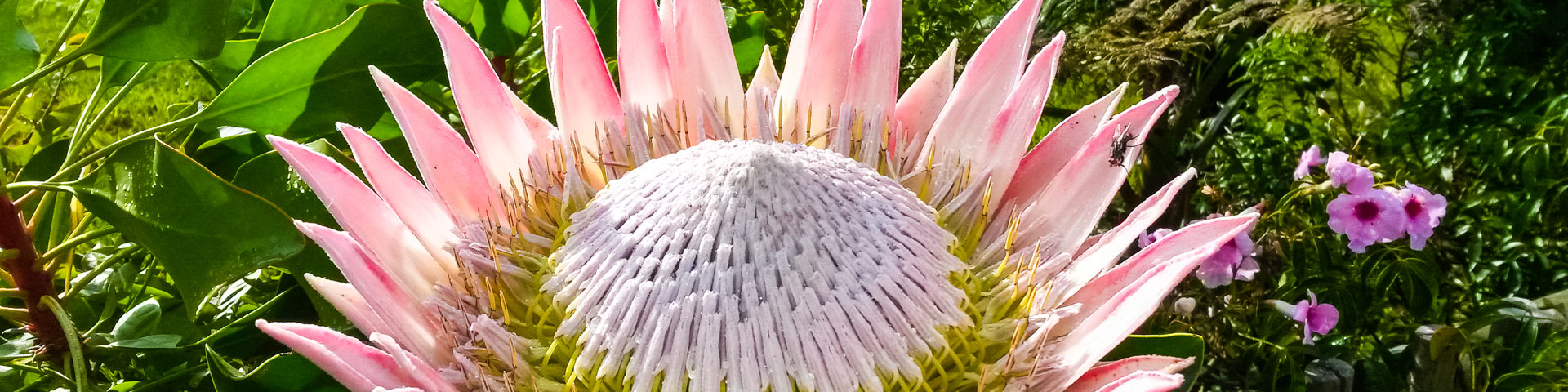
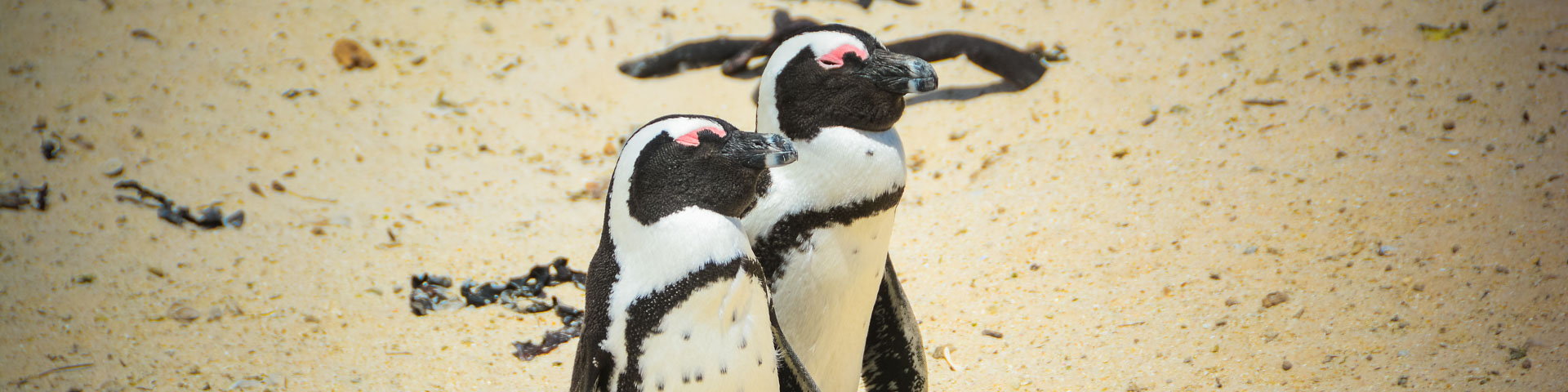
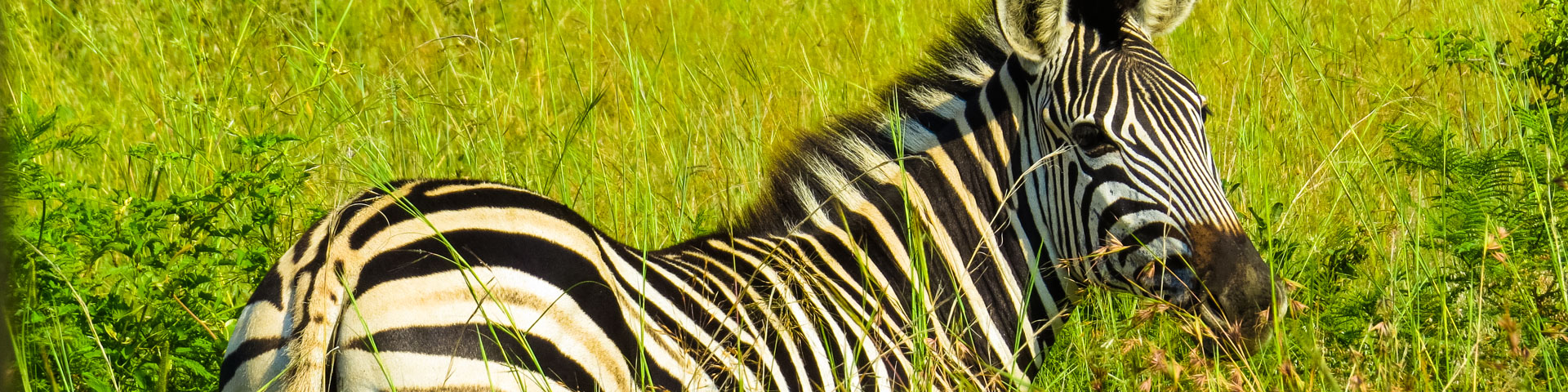
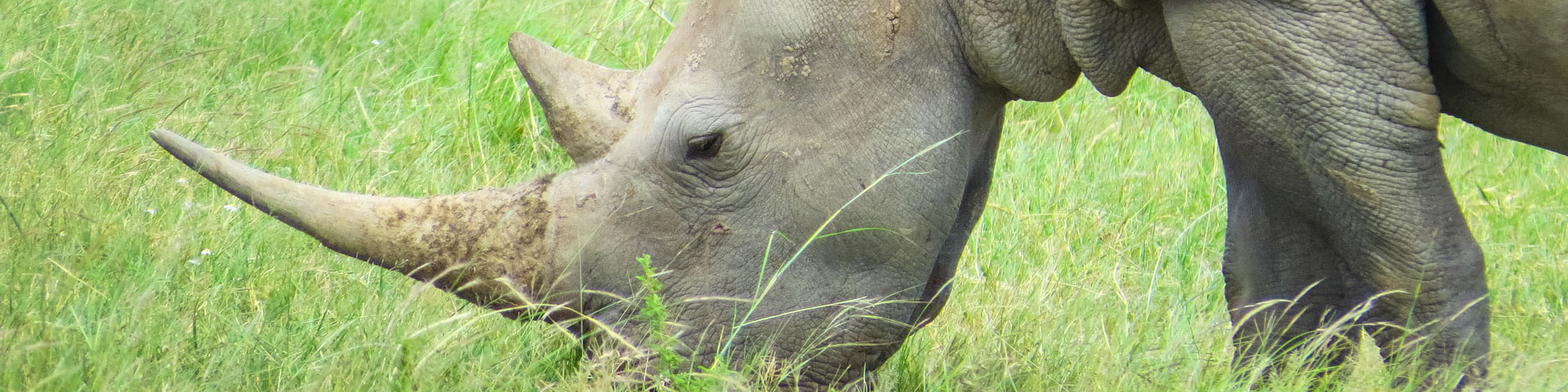
South Africa is one of the 17 megadiverse destinations in the world because of its rich biological diversity. See anything from the Big Five to great white sharks to meerkats to foxes to the wide range of endemic birds to the vast collection of plant species, notably fynbos.
ELECTRICITY
The South African electricity supply is 220/230 volts AC 50 HZ. Electricity is available almost everywhere.
AIRPORTS
The three major international airports are OR Tambo International Airport in Johannesburg; Cape Town International Airport and King Shaka International Airport in Durban.
ENTRY REQUIREMENTS
For visa requirements, please contact your nearest South African diplomatic mission to obtain information concerning visa requirements. All visitors over the age of one travelling from an infected area, or having been in transit through an infected area (includes Zambia and Angola) will require a valid yellow fever certificate.
MALARIA
Most of South Africa is malaria-free. However if you intend visiting the Kruger National Park or other low-lying parts of northern KwaZulu-Natal, you should be advised that you are entering malarial areas and should take precautions in the form of prophylactic medication.
TIPS and TIPPING
Give 10% to 15% to a waitron in a restaurant and about US$10 (or equivalent) per day to your safari ranger.
SECURITY
Keep valuables locked away and resist wearing expensive watches or jewellery, display expensive cameras, or walk in deserted areas. Keep your car doors and windows locked at all times. When in doubt, ask your guide or lodge for safety guidelines.
Please contact Golden Moon Adventures directly for more detailed travel notes.
GET IN TOUCH
Call Golden Moon Adventures on +27 (0) 12 653 4559
Mobru on +27 (0) 72 248 0467
Jacques on +27 (0) 82 889 2873
We use cookies to ensure that we give you the best experience on our website. If you continue without changing your settings, we'll assume that you are happy to receive all cookies from this website. If you would like to change your preferences you may do so by following the instructions here.
"GOOD, VERY GOOD."
EXPLORE
"LOVELY GUIDE AND GREAT CARE PROVIDED"
"... ZEER VEEL PLEZIER GEHAD, ERG DESKUNDIG, MOOIE DRIVES IN KRUGER PARK, GOEDE CHAUFFEUR, PRETTIG MENS."
ABOUT
SAMPLE TOURS
INFORMATION
CONTACT


